
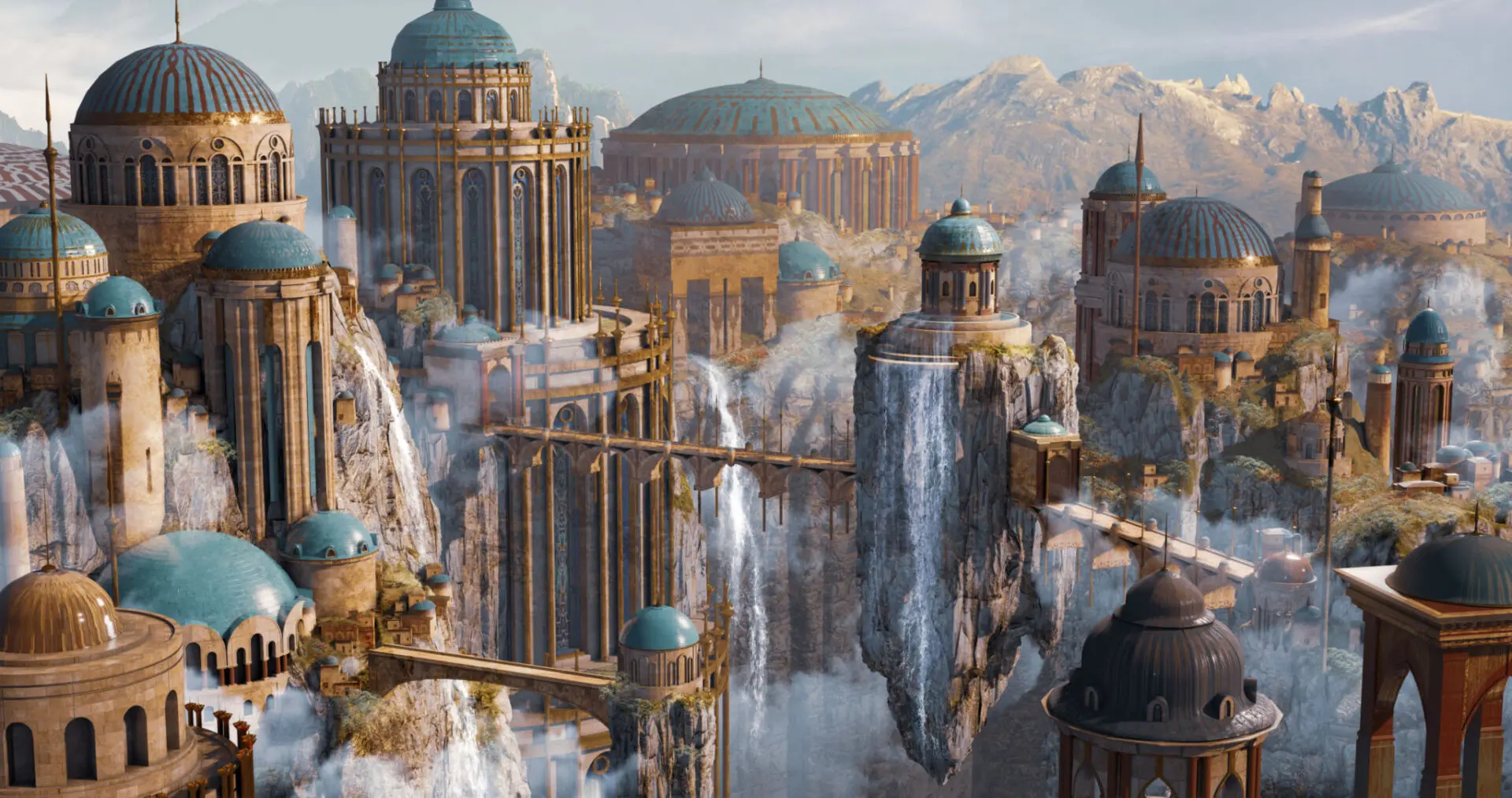
Every fantasy masterpiece begins with a vision that leaps beyond the page. Whether you imagine dragon-guarded realms or intricate magic systems, these 10 fantasy writing tips will help you craft immersive worlds, unforgettable characters, and epic adventures that captivate readers from the very first line.
Dreaming Beyond Borders The Art of World Building
Unforgettable sagas start with landscapes that feel real and alive. Achieve epic world building by sketching a rough map—mountains influence weather, rivers spark trade, and coastlines offer both opportunity and danger. Let geography shape your cultures: a desert nation treasures water, while islanders may revere the sea and its storms. Draft a concise timeline of five pivotal events and weave their echoes into your world’s architecture, festivals, and slang. This method keeps your writing immersive and avoids the trap of over-planning, often called world builder’s disease.
- Borrow textures from real places—granite cliffs, misty valleys—and transform them with your imagination.
- Ground abstract lore with vivid sensory details, like the metallic tang of dragon fire or the sting of ash above a ruined fortress.
- Draw from diverse cultural sources, integrating mythologies beyond medieval Europe. Weave in West African storytellers or Polynesian navigation traditions for fresh perspectives.
Consistency is essential. Maintain a one-page world bible listing key dates, currencies, and social taboos. Update it each writing session to keep your world coherent and free from contradictions.
Legendary Heroes Forging Characters with Heart and Purpose
While settings enchant, characters make stories unforgettable. Legendary heroes, antiheroes, and sidekicks come alive when shaped by their environment and driven by clear goals. Begin with a flaw—perhaps a dragon rider afraid of heights—then link it to a motivation (“I’ll master flight to save my sister”) and a deep-seated wound (“I failed her once”). This loop creates resonant character arcs that propel your narrative forward.
- Apply the Five-Question Test after each scene: What does the character want? Why now? What stands in their way? What will they sacrifice? How does the world increase the pressure?
- Showcase diversity authentically. Readers crave nuanced representation. Give disabled mages adaptive spell-casting tools or empower queer knights with real agency, never as tokens.
- Build a side-character matrix—list allies, mentors, rivals, and comic foils, ensuring each reveals new facets of your hero or the setting.
To avoid flat protagonists, track every major decision’s consequences. Each choice should alter relationships, stakes, or the fabric of your world.
The Pulse of Magic Integrating Lore and Mystique
Magic is not just a detail—it is the lifeblood of epic tales. To craft convincing magical worlds, start with a single rule (“Dragonflame can only be summoned at dawn”) and develop three logical limitations and cultural effects. Consider how this rule shapes warfare, religion, and trade.
- Show before you tell. Begin with a mage failing a spell, letting the fizzled result hint at rules and boundaries.
- Introduce lore through snippets—song lyrics, market proverbs, or local superstitions—to drip-feed exposition.
- Blend technology and magic. Quantum-coded spells introduce fresh conflict between programmers and traditional wizards.
Avoid overwhelming readers with exposition. Use the Rule of Three Sentences—never explain magic for more than three sentences before returning to character action, keeping readers engaged and curious.
Conflict, Stakes, and Triumphs Orchestrating Epic Plots
A vivid realm and compelling cast demand an equally gripping plot. Structure your narrative like a heartbeat: rise with the inciting quest, spike at the midpoint twist, crash during the dark night of the soul, and surge toward a thrilling climax. Layer your threats—political intrigue, personal dilemmas, and cosmic stakes—to sustain tension. For example, a border war may force rival dragon flights into uneasy alliances while a prophetic countdown looms.
- Use the Snowflake plus Scale method. Start with a one-sentence premise, expand to paragraphs, create scene lists, and detail beats reflecting your world’s geography and magic.
- Introduce region-specific obstacles. If your story is set in a storm-ridden land, draw inspiration from real hurricane seasons for added realism.
- Every thirty pages, introduce a twist—betrayal, revelation, or environmental hazard—to keep readers on edge.
To maintain pacing, monitor word counts per chapter and adjust any that exceed your average by forty percent. For unpredictable endings, plant two plausible resolutions and subvert the obvious one.
Embrace Your Epic Begin Your Fantasy Writing Adventure
Worlds emerge from sketches, heroes leap from flaws, magic breathes through culture, and plots thunder with stakes—all strengthened by a supportive community. Now you have the tools to master epic world building, develop memorable characters, weave rich lore, and plot gripping adventures. Take your next step: sketch your world, refine your protagonist’s arc, or join The Dragon Warrior community to explore dragon legends.
References
Fantasy Book Trends to Watch in 2025 and Beyond –
Fiction Book Trends in 2025 A Comprehensive Analysis –
Worldbuilding Tools from Brandon Sanderson Lecture Notes 2025 –
Mastering the Art of Writing a Fantasy Novel Tips for Aspiring Authors in 2025 –
How to Build an Epic Fantasy World Tips for Writers –
The Top 10 Publishing Trends for 2025 –